


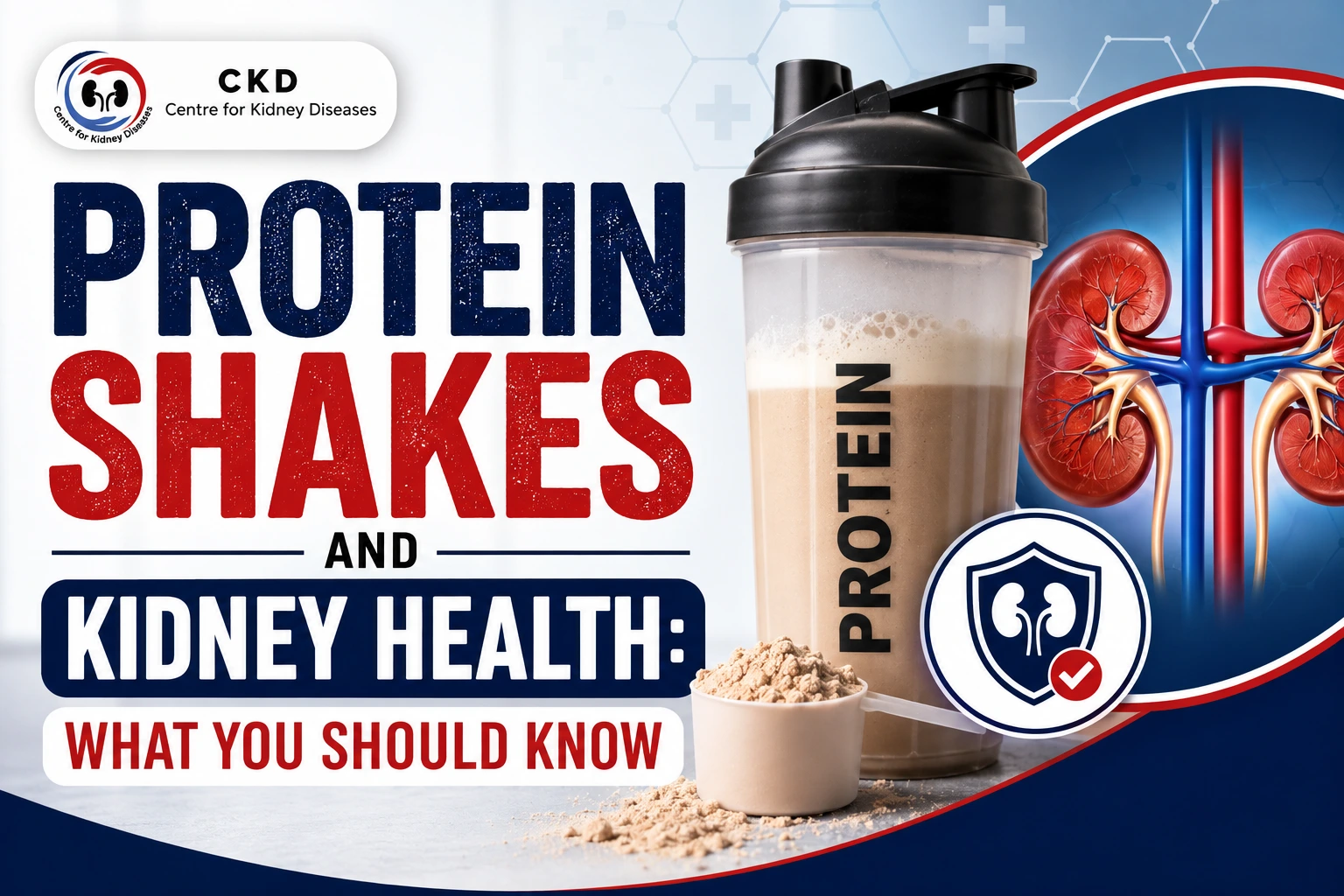
Is Your Protein Shake Helping Your Muscles but Hurting Your Kidneys?
Protein shakes have become a common part of fitness routines. From gym enthusiasts to athletes, many people use protein powders to support muscle growth, improve recovery, and meet their daily protein requirements. However, an important question often comes up: are protein shakes bad for kidneys?
Understanding the connection between protein shakes and kidney health is essential, especially for people who consume high amounts of protein daily or already have kidney-related concerns.
While protein is an important nutrient for the body, excessive protein intake without proper guidance may increase the workload on your kidneys. At CKD Delhi, under the expert guidance of Dr. Shiv Chadha, we help patients understand the right approach toward diet, protein intake, and kidney protection based on their individual health conditions.
Protein Shakes and Kidney Health: What You Need to Know
Protein plays an important role in maintaining muscles, repairing tissues, and supporting overall health. When you consume protein, your body breaks it down into amino acids, and the kidneys help remove the waste products created during this process.
For people with healthy kidneys, consuming a balanced amount of protein is generally manageable. However, regularly consuming excessive protein through shakes, powders, or high-protein diets may put additional stress on kidney function.
This is why understanding protein supplements and kidney health is important before adding them to your daily routine.
Are Protein Shakes Bad for Kidneys?
The answer depends on your kidney health, protein intake, and overall lifestyle.
For healthy individuals:
- Moderate protein intake is usually safe
- Protein shakes can help meet nutritional requirements
- Proper hydration supports kidney function
However, people with existing kidney problems should be more careful. Excessive protein consumption may increase waste filtration demands and affect kidney health over time. People with chronic kidney disease (CKD), high creatinine levels, diabetes-related kidney issues, or reduced kidney function should always consult a kidney specialist before using protein supplements.
Can Protein Shakes Damage Kidneys?
Many fitness enthusiasts ask, "Can protein shakes damage kidneys?" Protein shakes alone do not automatically cause kidney damage in everyone. The concern mainly arises when:
- Protein intake is much higher than the body's requirement
- A person already has reduced kidney function
- Supplements are used without medical advice
- Water intake is insufficient
Excess protein can increase the amount of waste products that kidneys need to filter. In individuals with kidney disease, this extra workload may become difficult for the kidneys to handle.
High Protein Diet and Kidney Health: Finding the Right Balance
A high-protein diet is popular among people trying to build muscle or lose weight. However, maintaining a balance is important. The relationship between high protein diet and kidney health depends on individual factors such as:
Kidney Function
Existing kidney capacity determines how much protein workload can be safely handled
Age
Kidney function and tolerance to protein load can vary with age
Body Weight
Protein requirements should be matched to individual body weight, not fitness trends
Activity Level
Physical activity and existing medical conditions influence safe protein intake
A diet that works for one person may not be suitable for another. Personalized guidance is important, especially for individuals at risk of kidney problems.
Protein Powder Side Effects You Should Know
While protein powders can be convenient, excessive use may lead to certain problems. Possible protein powder side effects may include:
- Digestive discomfort
- Bloating or gas
- Increased calorie intake
- Excess protein consumption
- Additional stress on kidneys in people with kidney disease
Choosing the right amount and type of protein is more important than simply increasing protein intake.
Excess Protein and Kidney Function: Why Moderation Matters
The kidneys continuously filter blood and remove waste products from the body. When protein intake becomes excessively high, the kidneys may need to work harder to process protein waste. The impact of excess protein and kidney function can be different for every person.
Individuals with the following should take extra precautions before following high-protein diets or using supplements:
- Chronic kidney disease
- High blood pressure
- Diabetes
- Previous kidney issues
Is Whey Protein Safe for Kidneys?
A common question among gym users is, "Is whey protein safe for kidneys?" Whey protein can be safe for many healthy individuals when taken in appropriate amounts. However, people with kidney disease should not start whey protein supplements without consulting a nephrologist.
The safety of whey protein depends on:
- Current kidney function
- Daily protein requirement
- Medical history
- Overall diet pattern
A kidney specialist can help determine whether protein supplementation is suitable for you.
Kidney Disease and Protein Intake: What Patients Should Follow
For people with kidney disease, protein requirements are different from those of healthy individuals. Depending on the stage of kidney disease, doctors may recommend:
- Adjusting protein quantity
- Choosing specific protein sources
- Monitoring kidney function regularly
- Following a kidney-friendly diet plan
At CKD Delhi, Dr. Shiv Chadha provides personalized kidney care guidance to help patients manage kidney health through proper diet, lifestyle changes, and medical support.
Signs of Kidney Damage You Should Not Ignore
Early kidney problems may not always show clear symptoms. However, some possible signs of kidney damage include:
- Swelling in feet, ankles, or face
- Changes in urination pattern
- Excessive tiredness
- Loss of appetite
- Nausea
- Persistent back or side pain
- High blood pressure
If you experience these symptoms, timely medical evaluation can help identify kidney problems early.
How to Use Protein Supplements Safely
Follow these simple tips to support better kidney health:
1. Understand Your Protein Requirement
- Avoid following fitness trends without knowing your body's actual protein needs.
2. Stay Hydrated
- Adequate water intake helps kidneys perform their filtering function effectively.
3. Monitor Kidney Health
- Regular kidney function tests can help detect early changes.
4. Avoid Self-Medication
- Do not start protein supplements if you have kidney concerns without expert advice.
5. Follow Professional Guidance — A nephrologist can recommend the right protein intake based on your health condition.
Conclusion: Protect Your Kidneys While Supporting Your Fitness Goals
Protein shakes can support muscle growth and recovery, but balance is the key. Understanding protein shakes and kidney health helps you make informed choices about supplements and nutrition.
If you have kidney disease, high creatinine levels, or concerns about protein intake, professional guidance is essential. At CKD Delhi, Dr. Shiv Chadha helps patients understand their kidney health, diet requirements, and lifestyle changes for better long-term outcomes.
Frequently Asked Questions
❓ Are protein shakes bad for kidneys?
- Protein shakes are not harmful for everyone. However, excessive consumption may increase kidney workload, especially in people with existing kidney problems.
❓ Can protein shakes damage kidneys?
- Excessive protein intake may affect kidney function in individuals with kidney disease. Healthy individuals should still consume protein supplements responsibly.
❓ Is whey protein safe for kidneys?
- Whey protein may be safe for healthy people when used appropriately. Kidney patients should consult a nephrologist before using it.
❓ What are the signs of kidney damage?
- Common signs include swelling, changes in urination, fatigue, nausea, and high blood pressure.
❓ Does a high protein diet cause kidney damage?
- A high protein diet may increase kidney workload, particularly in people with existing kidney conditions. Personalized dietary advice is recommended.
❓ Why choose CKD – Center for Kidney Diseases?
- CKD – Center for Kidney Diseases provides specialised kidney care led by Dr. Shiv Chadha, offering comprehensive diagnosis, personalised treatment plans, and long-term management of kidney health and diet-related concerns.
Book Your CKD Consultation Today
Get personalized advice about protein intake and kidney protection. Visit CKD – Center for Kidney Diseases and consult Dr. Shiv Chadha for expert, evidence-based guidance on diet and kidney health.
Contact Dr. Shiv Chadha Today →